





Habitat banks
Habitat banks, are a form of environmental protection often associated with biodiversity offsetting, they may also referred to as biodiversity banking, conservation banking, biodiversity mitigation banks, biodiversity trading, compensatory habitat and so on.
The International Union for Conservation of Nature defines biodiversity offsets as being "designed to compensate for residual environmental damage caused by development after avoidance, minimisation, and mitigation of environmental impacts have been considered and implemented. The goal of offsets is to compensate for the loss of biodiversity at one location with conservation gains elsewhere."
Habitat banks specific parcels of land that set aside in order to allow for biodiversity improvement, referred to as banks because they aim to save and improve specific areas from the perspective of environmental diversity often in connection with biodiversity offsetting. In their simplest form they are areas of a community where biodiversity is protected thus banked or stored, but they can also have links to financial models through payments to compensate for areas of (urban) development where biodiversity improvement is not possible. There are now a number of financial institutions offering habitat bank investments or biodiversity offsetting as part of their service.
Such schemes exist in the US, Canada and Australia, as well as the UK, when it was formalised through the Environment Act in 2021, and the introduction of Biodiversity Net Gain (BNG) regulations from 2024. These legislative changes require infrastructure and development projects to deliver an uplift of 10% in BNG (calculation via a specific statutory biodiversity metric). Where such improvements cannot be achieved on site, proposals can be made for off-site improvements, with a final resort being financial compensation, payments to achieve credits from other schemes that improve biodiversity, such as specific habitat banks.
For further information visit Biodiversity net gain and related terminologies explained.
[edit] Related articles on Designing Buildings
- Biodiversity in building design and construction
- Biodiversity in the urban environment.
- Biodiversity Gain.
- Biodiversity gain plan.
- Biodiversity gain site.
- Biodiversity gain site register.
- Biodiversity net gain and related terminologies explained.
- Biodiversity net gain consultation.
- Biodiversity net gain regulations and implementation.
- Biodiversity offsetting.
- biodiversity units
- biodiversity metric
- Biophilia.
- Biophilic design.
- BREEAM Enhancing site ecology.
- BREEAM Long term impact on biodiversity.
- Ecological network.
- Ecological impact assessment.
- Ecology.
- Environmental impact assessment.
- Geodiversity.
- Green infrastructure.
- Green roofs.
- Habitat.
- Habitat management and monitoring plan HMMP.
- Local Nature Recovery Strategy LNRS
- Nature improvement area.
- Natural capital.
- Natural environment white paper.
- nature recovery network.
- Protected species.
- Sustainable development toolkit.
- The future of green infrastructure.
- Tree preservation order.
- Biodiversity net gain and related terminologies explained.
Featured articles
Check out some of the best features and news from Designing Buildings as well as key stories from around the web.

Accommodating the Victorian and Edwardian working woman. Book review.
Rethinking passive fire protection in design

PFP demands the same level of design rigour as structure or services.

38% of Gen Zs feel safe when a fire door is wedged open.
Stunning images from around the world
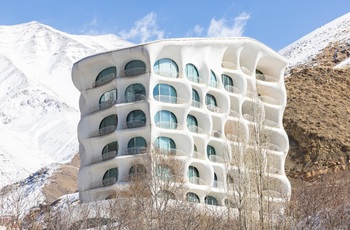
Shortlist for CIOB’s Art of Building photography competition.

Guidance for conversion of traditional pre-1919 stone buildings.
Industrial heritage in the Ruhr

A marked difference to the fate of industrial landscapes in the UK.
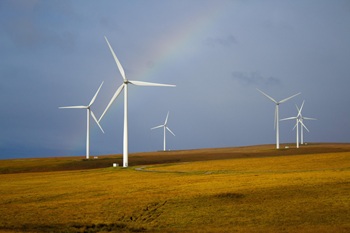
Communities will be able to build their own clean energy.
Why diversity and inclusion matters for SMEs

CIOB’s D&I Charter shows how practical changes can support long-term growth.
Cut electricity bills to power growth

Coalition sends joint letter to the Chancellor.

Gasholders: a history in pictures. Book review.
Recognition, influence and growth

SocEnv identifies three strategic pillars in new strategy to 2045.

Discover the future of roofing, cladding and insulation.